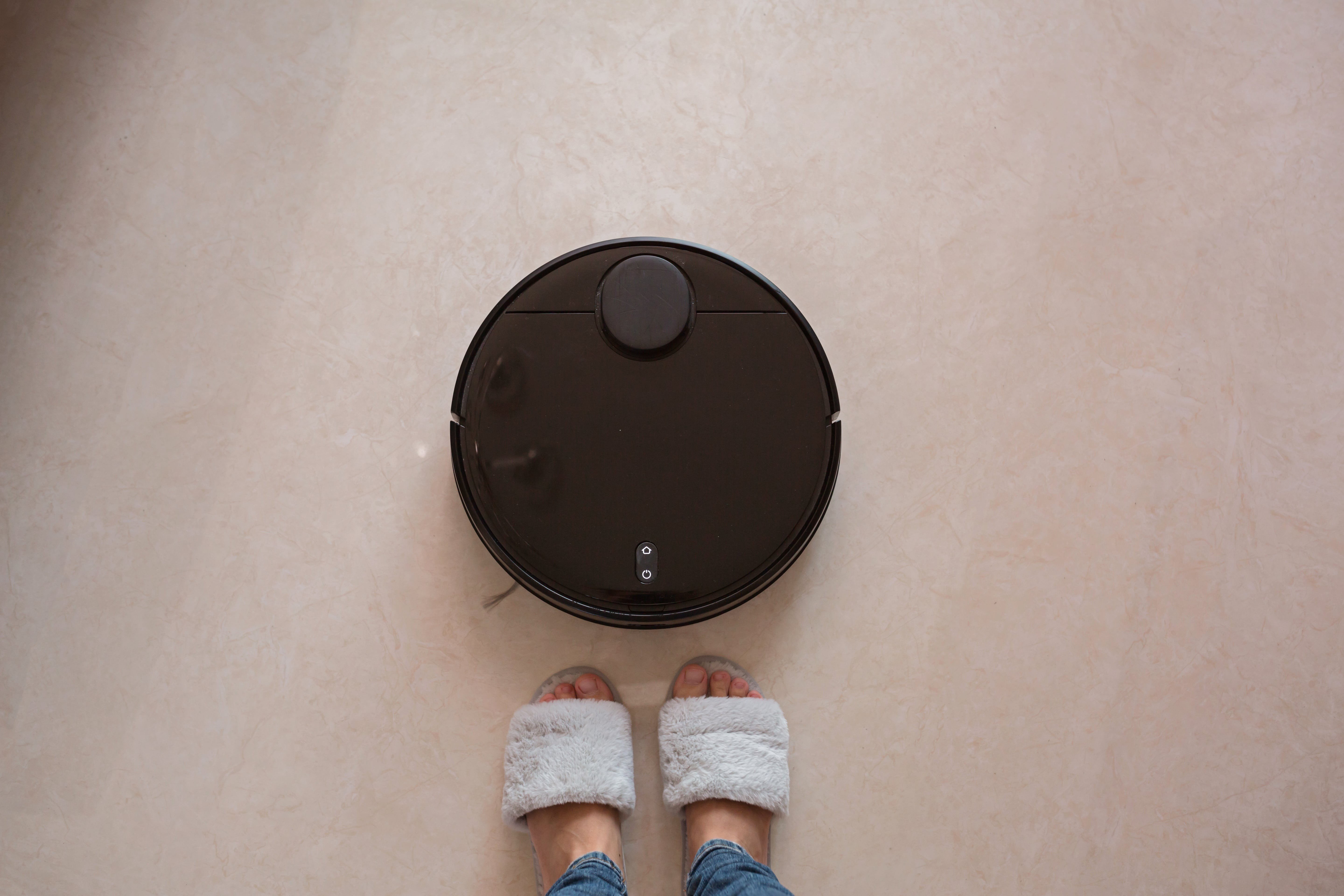
The Rise of Robot Vacuum Sales: A Comprehensive Overview
In the age of automation, family tasks have gone through a considerable change. Among the most noteworthy developments in this domain are robot vacuums, which are transforming the method we preserve cleanliness in our homes. As innovation advances and consumer preferences shift, the market for robot vacuums has seen unmatched development. This short article explores the factors driving the robot vacuum sales boom, examines consumer choices, and analyzes the future landscape of this growing market.
Aspects Driving Robot Vacuum Sales
1. Technological Advancements
The constant development of innovation has actually played a critical role in boosting the effectiveness and functionality of robot vacuums. Here are some crucial improvements that have added to increased sales:
- Improved Navigation Systems: Modern robot vacuums use advanced mapping and navigation innovations, such as LiDAR and visual navigation, enabling them to clean more efficiently and prevent challenges.
- Smart Connectivity: Integration with smart home systems and smart device applications allows users to manage and arrange cleanings remotely.
- Improved Suction Power: Advances in motor technology have actually led to more powerful suction capabilities, allowing robot vacuums to carry out well on various floor types, consisting of carpets and wood.
2. Increased Consumer Demand
Consumer demand for convenience and time-saving options has actually skyrocketed. The desire for smarter homes reflects a way of life shift, where people focus on ease and performance. Robot vacuums fit seamlessly into this trend by offering:
- Hands-Free Operation: Users can automate their cleaning routines, minimizing the time and effort required for manual vacuuming.
- Scheduled Cleaning: Many designs permit users to set cleaning schedules, guaranteeing constant maintenance without the need for active involvement.
3. Expanding Market Options
As the robot vacuum market matures, a plethora of brand names and designs have gotten in the fray, accommodating different customer requirements and budget plans. This growth has actually resulted in:
- Diverse Price Ranges: Consumers can find robot vacuums that fit their budgets, from entry-level choices to high-end models with sophisticated features.
- Range of Features: Different designs offer a variety of features, including mopping abilities, HEPA filters, and self-emptying dustbins, permitting consumers to select a vacuum tailored to their specific requirements.
Popular Brands and Models
With many brands contending in the robot vacuum arena, it's essential to explore a few of the most popular names and their standout models. The following table summarizes notable brands and their offerings:
| Brand | Significant Model | Key Features | Price Range |
|---|---|---|---|
| iRobot | Roomba i7+ | Smart mapping, self-emptying, voice control | ₤ 800 - ₤ 1,200 |
| Roborock | Roborock S7 | Mopping, effective suction, barrier avoidance | ₤ 600 - ₤ 900 |
| Ecovacs | Deebot T8 AIVI | Smart home integration, mopping, multi-floor mapping | ₤ 500 - ₤ 800 |
| Neato | Neato D8 | D-shape design for corners, HEPA filter | ₤ 400 - ₤ 600 |
| Shark | Shark IQ Robot | Self-emptying base, smart mapping, voice control | ₤ 400 - ₤ 700 |
How to Choose the Right Robot Vacuum
Picking the ideal robot vacuum can be frustrating given the range of choices readily available. Here are some vital factors to consider to assist consumers make a notified decision:
1. Floor Type
- Carpets: Look for models with strong suction and brush rolls developed for carpet height.
- Wood: Choose vacuums that feature soft brushes or rubberized rollers to prevent scratching.
2. Preferred Features
- Self-emptying: For users who choose very little interaction.
- Mopping functionality: Ideal for homes with difficult floors needing mopping.
- Smart home compatibility: Consider designs that can be incorporated with tech ecosystems like Alexa or Google Home.
3. Budget
- Entry-Level Models: Generally range from ₤ 200 to ₤ 400, supplying basic cleaning capabilities.
- Mid-Range Models: Priced in between ₤ 400 and ₤ 800, these frequently include more functions and much better navigation systems.
- High-End Models: Often priced over ₤ 800, providing sophisticated technology, powerful suction, and multi-surface cleaning abilities.
The Future of Robot Vacuum Sales
As the trend of home automation grows, the robot vacuum market is poised for ongoing expansion. Here are some expected patterns shaping the future:
1. Improved Artificial Intelligence
The combination of AI in robot vacuums will result in more instinctive cleaning patterns, enhancing their ability to learn user preferences and home designs over time.
2. Increased Sustainability
Consumers are ending up being more environmentally mindful, prompting manufacturers to check out sustainable products and energy-efficient innovations in their items.
3. Continued Market Expansion
With advancements in technology and an increase in the middle-class population worldwide, it is most likely that more households will adopt robot vacuums, further sustaining sales development.
FAQs
1. Are robot vacuums effective on carpet?Yes, lots of contemporary robot
vacuums are designed to successfully clean carpets. Designs with strong suction and specialized brushes do particularly well. 2. How often ought to I run my robot vacuum?It depends upon your household. For homes with animals or high traffic, running
the robot vacuum daily might be perfect. Others might just require to clean a few times a week. 3. Do robot vacuums work on all floor types?Most robot vacuums can shift between various floor types, consisting ofwood, tile, and carpet. However, checking the
requirements for each model is recommended. 4. Can robot vacuums clean under furniture?Yes, Best Automatic Vacuum are designed to clean under low furniture due to their compact size and design. 5.
For how long do robot vacuums last?With proper upkeep, a quality robot
vacuum can last anywhere from 3 to 7 years, depending on the brand name and model.
Robot vacuums have actually reshaped the cleaning landscape, attracting individuals looking for benefit without jeopardizing cleanliness. As technology advances and customer preferences develop, the marketplace for robot vacuums will likely continue to expand, using increasingly advanced features that deal with the needs of a varied consumer base. Understanding the factors driving sales and the criteria for choosing the right vacuum will empower customers to make informed options, adding to an automated future where family tasks become less of a problem.